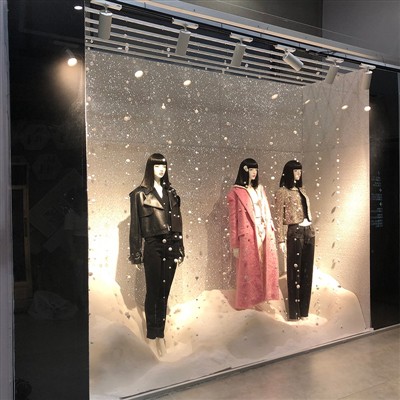
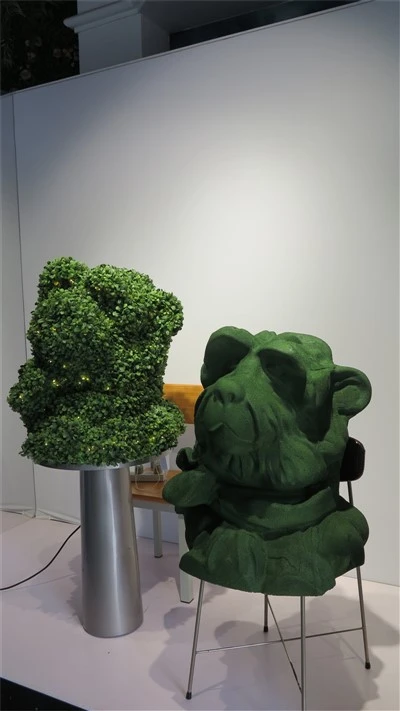
As a leading international window display manufacturer, we constantly monitor the pulse of visual merchandising to anticipate what will capture consumers' imaginations. This holiday season, a captivating trend has completely transformed the high streets of global retail capitals: the Greenery Animal Window Display. Moving away from traditional, heavy plastic props and glittering synthetic baubles, top-tier retailers are now embracing lush, nature-inspired installations. But what exactly is driving this shift toward botanical woodland creatures, and how are these enchanting displays scientifically engineered for commercial environments?
The Psychology of Biophilic Design in Retail
The sudden popularity of greenery in winter displays is not just a stylistic choice; it is deeply rooted in environmental psychology. Human beings possess an innate, biological connection to nature, a concept scientifically known as biophilia. Studies in cognitive science reveal that visually engaging with natural elements in urban, built environments significantly lowers cortisol (stress) levels and induces a sense of calm.
For global retailers, this psychological phenomenon translates directly into measurable consumer behavior. Shoppers naturally gravitate towards storefronts featuring green, organic textures. During the notoriously hectic and visually overstimulating Christmas shopping season, a window display featuring serene, moss-covered reindeer, faux-pine bears, or lush green foxes provides a much-needed visual oasis. This psychological comfort increases "dwell time"-the vital metric of how long a potential customer spends observing a window-thereby significantly increasing the likelihood of them stepping inside the store.
The Material Science and Anatomy of a Greenery Animal
From a manufacturing perspective, bringing a life-sized botanical animal to life requires a sophisticated marriage of art and material science. The production process begins with a meticulously engineered skeleton. We utilize high-strength, rust-resistant fiberglass (FRP) or welded galvanized steel wireframes. This structural foundation ensures the physical integrity of the animal while keeping the prop relatively lightweight for safe, easy installation by retail merchandising teams.
Once the anatomical framework is sculpted to mimic natural animal movement, the botanical "skin" is applied. Real moss or foliage is highly impractical for long-term commercial displays, as it dehydrates, loses color, and poses pest and allergen risks. Instead, modern manufacturers utilize advanced synthetic polymers. High-grade, UV-resistant artificial turf, faux pine needles, and synthetic flocking are securely bonded onto the frame. Crucially, these polymers are engineered with industry-grade fire retardants at the molecular level to comply with strict international retail safety regulations. The synthetic fibers are designed to mimic the microscopic texture and light-reflecting properties of real foliage, guaranteeing hyper-realism even under high-intensity window display lighting.

A Modern, Eco-Conscious Christmas Aesthetic
The traditional holiday palette is rapidly evolving. Greenery animals tap into a modern, eco-conscious aesthetic that deeply resonates with today's environmentally aware consumers. Imagine a winter woodland scene featuring majestic green stags intertwined with subtle, warm-white LED micro-lights, set against a backdrop of frosted branches. This approach bridges the gap between classic festive magic and contemporary sustainability.
Looking Ahead to Future Displays
The future of visual merchandising lies at the intersection of the natural world and advanced polymer manufacturing. As we continue to refine our production techniques, the Greenery Animal Window Display stands as a prime example of how retail spaces can be transformed into immersive, biophilic experiences. This Christmas, the most compelling storefronts won't merely showcase merchandise; they will offer a scientifically backed, visually stunning breath of fresh air.