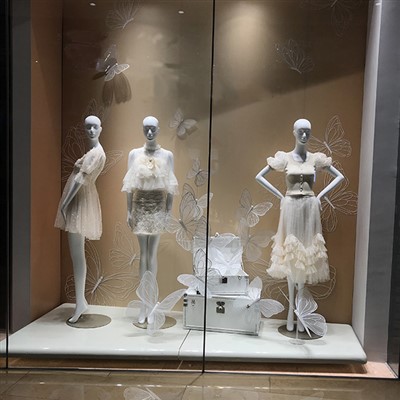
As a supplier of rattan window displays, I've had the privilege of witnessing the dynamic world of window merchandising up close. One question that often arises in discussions with retailers and designers is how a rattan window display compares to a wooden one. In this blog post, I'll delve into the various aspects of both materials, exploring their characteristics, advantages, and disadvantages to help you make an informed decision for your storefront.
Aesthetic Appeal
Rattan, with its natural and organic texture, brings a warm and inviting feel to a window display. Its unique weave pattern adds a touch of rustic charm, making it an excellent choice for stores aiming to create a cozy and earthy atmosphere. Rattan can be used to create a variety of shapes and structures, from simple frames to intricate designs, allowing for endless creative possibilities.
On the other hand, wooden window displays offer a more classic and sophisticated look. Wood comes in a wide range of colors and grains, allowing you to choose a finish that complements your brand and store decor. Whether you prefer the rich tones of mahogany or the light, airy look of pine, wood can be stained or painted to achieve the desired effect.


Durability and Maintenance
When it comes to durability, wooden window displays generally have the upper hand. Wood is a strong and sturdy material that can withstand the rigors of daily use and environmental factors. With proper care and maintenance, a wooden display can last for many years, making it a long-term investment for your business.
Rattan, while also relatively durable, is more susceptible to damage from moisture and pests. It requires regular cleaning and maintenance to prevent mold and mildew growth. However, if properly cared for, rattan can still provide a long-lasting and attractive window display.
Cost
The cost of a window display can vary depending on the size, complexity, and materials used. In general, rattan window displays tend to be more affordable than wooden ones. Rattan is a natural and renewable resource, which makes it a cost-effective option for retailers on a budget.
Wood, on the other hand, can be more expensive, especially if you choose a high-quality hardwood. However, the durability and longevity of a wooden display may justify the higher cost in the long run.
Versatility
Both rattan and wooden window displays offer a high degree of versatility. Rattan can be easily shaped and molded into different forms, making it suitable for a variety of display styles. It can be used to create everything from simple shelves to elaborate sculptures, allowing you to showcase your products in a unique and eye-catching way.
Wood, too, is a versatile material that can be used in a variety of applications. It can be cut, sanded, and painted to create custom displays that meet your specific needs. Whether you're looking to create a modern, minimalist display or a more traditional, rustic look, wood can be adapted to suit your style.
Environmental Impact
In today's environmentally conscious world, many retailers are looking for ways to reduce their carbon footprint. Rattan is a sustainable and eco-friendly material that is harvested from the rattan palm, a fast-growing plant that can be replenished quickly. Using rattan in your window displays can help you demonstrate your commitment to sustainability and appeal to environmentally conscious consumers.
Wood, too, can be a sustainable choice if it is sourced from responsibly managed forests. Look for wood that is certified by organizations such as the Forest Stewardship Council (FSC) to ensure that it has been harvested in an environmentally friendly manner.
Examples of Rattan and Wooden Window Displays
To give you a better idea of how rattan and wooden window displays can be used in a retail setting, here are some examples:
- Horse Shape Illuminated Window Display: This Horse Shape Illuminated Window Display combines the natural beauty of rattan with the eye-catching appeal of illumination. The rattan horse shape adds a touch of whimsy to the display, while the LED lights create a warm and inviting atmosphere.
- Spring Bag Store Window Display: This Spring Bag Store Window Display features a wooden frame and shelves, creating a classic and sophisticated look. The use of wood adds a touch of elegance to the display, while the colorful bags provide a pop of color.
- Pop-up Store Window Display: This Pop-up Store Window Display uses a combination of rattan and wood to create a unique and eye-catching display. The rattan panels add a touch of texture and warmth, while the wooden shelves provide a sturdy and functional base for showcasing products.
Conclusion
In conclusion, both rattan and wooden window displays have their own unique advantages and disadvantages. When choosing between the two, it's important to consider your budget, aesthetic preferences, durability requirements, and environmental impact. By carefully weighing these factors, you can select the material that best suits your needs and helps you create a window display that will attract customers and drive sales.
If you're interested in learning more about our rattan window displays or would like to discuss your specific requirements, please don't hesitate to contact us. We'd be happy to help you create a custom window display that meets your needs and exceeds your expectations.
References
- "Rattan: A Sustainable and Versatile Material for Window Displays." Retail Merchandising Today.
- "Wooden Window Displays: A Classic Choice for Retailers." Retail Design Institute.
- "Environmental Impact of Rattan and Wood in Window Displays." Green Retail Magazine.