


As a supplier of luxury window displays, I've had the privilege of observing and participating in the ever - evolving world of high - end retail visual merchandising. Luxury window displays are not just about showcasing products; they are a form of art that tells a story, evokes emotions, and creates a unique brand experience. In this blog, I'll explore some of the common themes that are frequently seen in luxury window displays.
1. Seasonal Themes
Seasonal themes are a staple in luxury window displays. They allow brands to connect with consumers on a timely and relevant level.
Winter
Winter is a season rich with inspiration for luxury window displays. The cold weather, snow, and holiday spirit provide a perfect backdrop for creating enchanting scenes. For instance, a Winter Shop Window Display might feature a winter wonderland with snow - covered trees, ice sculptures, and elegant mannequins dressed in luxurious furs and warm winter coats. Brands often use soft, cool lighting to mimic the winter sky, creating a serene and magical atmosphere.
Another popular winter theme is the Winter Themed Window Display, which can be centered around a specific holiday like Christmas or New Year's Eve. These displays might include elements such as Christmas trees, ornaments, and festive decorations. For example, a high - end jewelry brand could create a window display with a Christmas tree adorned with diamond - studded ornaments, attracting passers - by with its sparkle and luxury.
Spring
Spring is a time of renewal and growth, and luxury window displays often reflect this theme. Bright colors, fresh flowers, and light fabrics are commonly used to create a sense of optimism and new beginnings. A fashion brand might display mannequins wearing pastel - colored dresses and floral prints, set against a backdrop of blooming flowers. The use of soft, natural light can enhance the overall effect, making the display feel warm and inviting.
Summer
Summer themes in luxury window displays are all about fun, relaxation, and the beach. Brands might use elements such as palm trees, beach umbrellas, and swimwear to create a tropical paradise. For a high - end beauty brand, a summer window display could feature models with sun - kissed skin, wearing trendy sunglasses and holding bottles of luxury sunscreen. The use of bright, bold colors and dynamic lighting can capture the energy of the summer season.
Fall
Fall is characterized by changing leaves, cooler temperatures, and a sense of coziness. Luxury window displays often incorporate warm colors like red, orange, and brown, as well as elements such as pumpkins, hay bales, and knitted scarves. A high - end home decor brand might create a fall window display with a rustic fireplace, a pile of firewood, and comfortable furniture, inviting customers to imagine spending a cozy evening at home.
2. Brand Heritage and Identity
Many luxury brands use their window displays to showcase their heritage and identity. These displays often feature elements that are unique to the brand, such as historical artifacts, iconic logos, or signature colors.
For example, a luxury watch brand with a long history might create a window display that showcases its vintage timepieces. The display could include old photographs, original packaging, and even a timeline of the brand's development. By highlighting its heritage, the brand not only pays homage to its past but also builds trust and credibility with consumers.
Another way brands express their identity is through the use of signature colors. A well - known luxury fashion brand might use its signature color in every window display, creating a consistent and recognizable brand image. This helps consumers easily identify the brand and associate it with luxury and quality.
3. Art and Culture
Luxury window displays often draw inspiration from art and culture. Brands might collaborate with artists, designers, or cultural institutions to create unique and thought - provoking displays.
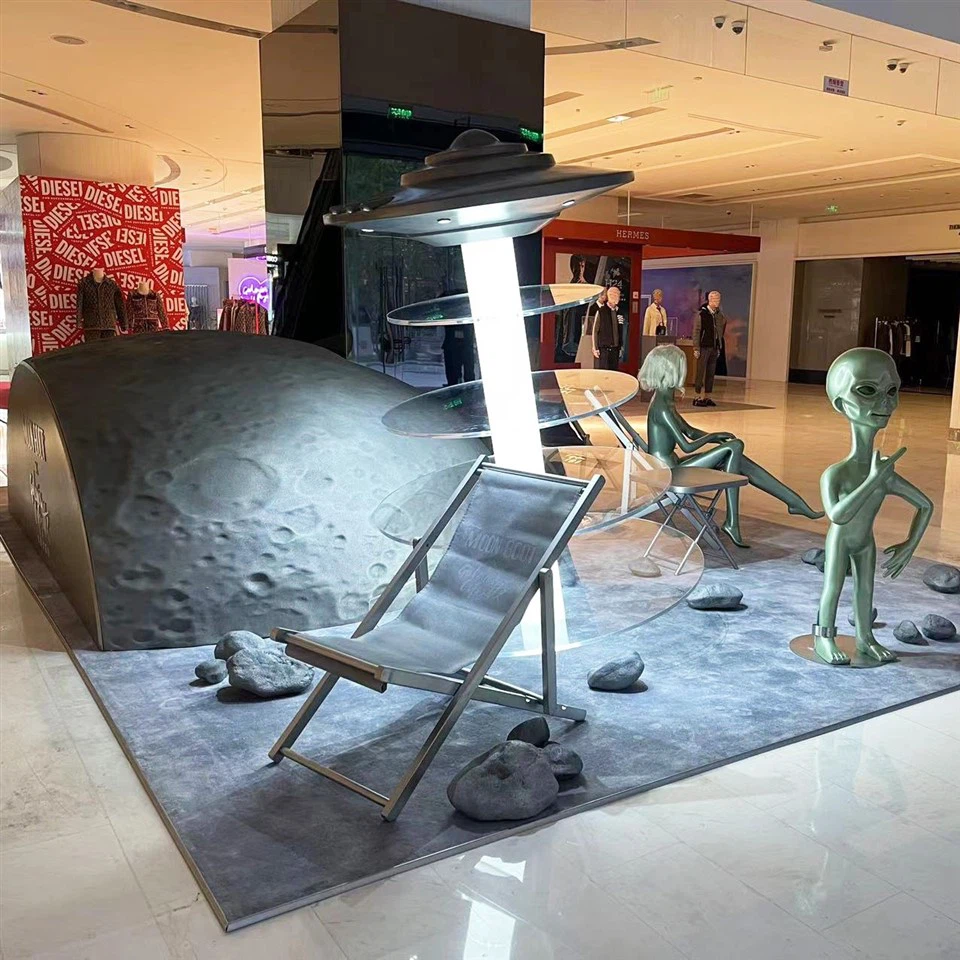
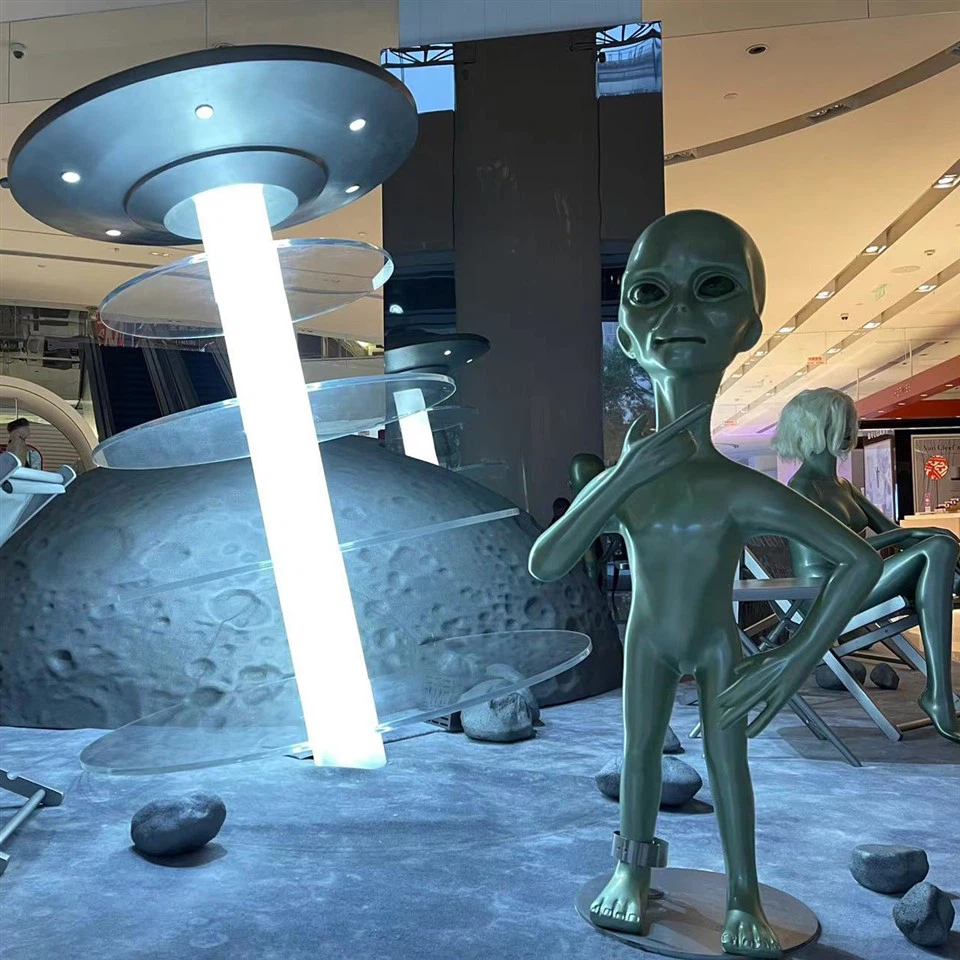
For instance, a luxury fashion brand could partner with a contemporary artist to create a window display that combines fashion and art. The display might feature large - scale paintings, sculptures, or installations that interact with the clothing on display. This not only adds an element of creativity and innovation but also positions the brand as a cultural leader.
Cultural themes can also be incorporated into window displays. A luxury brand might create a display inspired by a specific country or region, using traditional art, music, and fashion to tell a story. For example, a display inspired by Japanese culture could feature cherry blossoms, kimonos, and traditional Japanese art forms, creating a sense of mystery and elegance.
4. Fantasy and Escapism
Luxury window displays have the power to transport consumers to a world of fantasy and escapism. These displays often feature larger - than - life elements, magical settings, and dreamy scenarios.
A high - end perfume brand might create a window display that resembles a fairytale forest. The display could include trees, flowers, and a waterfall, with mannequins dressed as fairies holding bottles of perfume. This type of display not only captures the imagination of consumers but also creates a desire for the product.
Another example is a luxury car brand that creates a window display set in a futuristic city. The display might feature sleek, high - tech cars, flying drones, and holographic projections, giving consumers a glimpse into a world of innovation and luxury.
5. Sustainability
In recent years, sustainability has become an important theme in luxury window displays. Brands are increasingly using eco - friendly materials and promoting sustainable practices in their displays.
A luxury fashion brand might create a window display using recycled materials, such as old fabrics, plastic bottles, and cardboard. The display could showcase how the brand is committed to reducing its environmental impact while still maintaining its high - end aesthetic.
Some brands also use their window displays to raise awareness about environmental issues. For example, a luxury beauty brand might create a display that highlights the importance of protecting the oceans, using marine - themed elements and educational materials.
Conclusion
In conclusion, luxury window displays are a powerful marketing tool that can help brands stand out in a crowded marketplace. By using common themes such as seasonal inspiration, brand heritage, art and culture, fantasy, and sustainability, brands can create engaging and memorable displays that attract customers and drive sales.
If you're interested in creating a luxury window display for your brand, I'd love to discuss your ideas and requirements. As a supplier of luxury window displays, I have the expertise and resources to bring your vision to life. Whether you're looking for a seasonal display, a brand - focused installation, or a creative and innovative concept, I can help you create a display that will make a lasting impression. Let's start a conversation and explore the possibilities together.
References
- Visual Merchandising: The Art and Science of Retail Design, by Patrick McCarthy
- Luxury Brand Management: A Global Perspective, by Jean - Noel Kapferer and Véronique Bastien
- The Handbook of Visual Merchandising, by Martin M. Pegler


