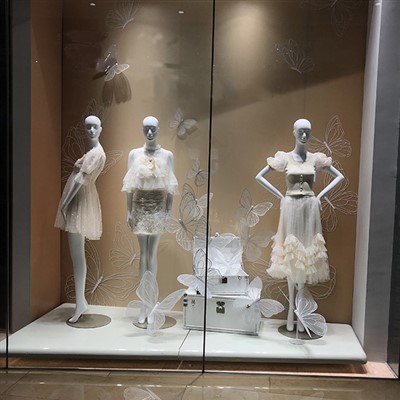
Working in the autumn shop window display game means I’m knee-deep in maple leaves, rustled burlap, and that perpetual tight deadline of “get it up before the kids go back to school and everyone’s craving cozy sweaters and pumpkin-spiced everything.” Don’t get me wrong—autumn is my favorite season for displays. It’s got that perfect mix of warm tones, tactile textures, and nostalgic vibes that make passersby pause. But if you think slapping a few fake gourds and a pile of leaves on a board counts as a real autumn window display? Honey, you’re in for a rude awakening. I’ve spent 8 years as a display supplier, and let’s be real—this job is way harder than it looks.


First off, the big one: getting the season’s vibe right without going full cliché. I can’t tell you how many times a client has called up going, “We want autumn—make it feel like a cozy cabin, but not too hokey like those Christmas arch window displays everyone’s using this time of year.” Wait, hold on—Christmas in autumn? That’s a whole other can of worms, but the point is, overdoing the “fall clichés” is a quick way to make your window look like a dollar store exploded, not a premium spot worth stopping for. I once had a client reject a display I’d spent days on because it had seven fake pumpkins lined up like bowling pins. “It feels like a harvest festival gone wrong,” they said. Ouch. The line between warm and kitsch is thinner than a crisp autumn leaf, and you’ve got to walk it like you’re balancing on a wet sidewalk in boots. That’s why so many shops are turning to custom autumn season window displays now—they let you nail that cozy vibe without leaning on overdone tropes.
Next up: materials that don’t die the second the wind hits. Autumn is messy business—rain, wind, that weird mix of crisp days and sudden humidity that makes leaves curl and fake wood warp. I’ve had a display go up at a boutique in downtown Portland on a Monday, and by Wednesday, the “dried” oak leaves I’d ordered were turning mushy at the edges from the morning drizzle. I mean, come on—these things are supposed to last for 4-6 weeks, not 48 hours. The worst part? Trying to find materials that look real enough to sell the vibe but can survive outside elements without costing a fortune. I’ve tested everything: foam pumpkins that look like hard plastic, fabric leaves that hold their shape, even coated burlap that doesn’t fray after a week. It’s a constant battle between “authentic fall feel” and “it won’t fall apart when it rains.” That’s why my team designs custom store window displays for fall specifically engineered for weather—we learned the hard way that “rustic” isn’t worth it if it’s just a soggy mess by week two.
Then there’s the lighting problem. Autumn windows need that golden, warm glow that makes people go “aww” when they walk by. But too much light and everything looks flat; too little, and it’s a black hole no one will bother glancing at. I once worked on a department store display that used string lights with standard bulbs, and by mid-day, the sun made the whole thing look dim and sad. The client was furious because foot traffic dropped—turns out, no one can care about a beautiful fall display if they can’t see it. We tried adding warm-toned LED strips, then tweaking the angle of spotlights so they hit the focal points (like a stack of knit sweaters or a vase of dried wheat) instead of just lighting up the whole window. It took three rounds of tweaks and a lot of late nights, but we got it right. Lighting is such a small detail, but it makes or breaks whether a window feels inviting or just like another store front.
Wait, and let’s talk about scale. That’s a huge one that most people don’t think about. A window display that works for a tiny boutique with a 3-foot-wide window will look ridiculous in a 20-foot department store window. I once had a client who ran a women’s clothing store send me photos of a cute, lacy autumn women's clothing window display they’d put together in-house—except it was for a window that was twice as tall as the display. It got lost. All the details, the little knit scarves and mini pumpkins, just vanished. So we had to scale everything up—bigger pumpkins, taller garlands, larger fabric backdrops—to fill that big window without making it feel crowded. Scale isn’t just “make things bigger”; it’s about balancing elements so the eye moves naturally through the window, even in a giant space. Get that wrong, and even the best materials won’t save your display.
Another unexpected challenge: tying the display to the brand. It’s not enough to throw autumn stuff in a window—you’ve got to make it yours. I had a outdoor gear client last year who kept pushing for a display with “cozy fall vibes,” but their whole brand is about adventure, not sitting by a fireplace with a mug of cider. So if I’d put a bunch of blankets and pumpkins up, it would have felt totally off. Instead, we did a display with giant faux maple leaves attached to hiking boots, a small campfire (fake, don’t panic) with a gear bag next to it, and signs that said “Hike the trails, then warm up.” It was autumn, but it felt like their autumn, not a generic one. That’s the difference between a good display and a great one—making it fit what the store stands for, not just what’s trendy that year. I see too many shops copy-pasting the same display from Pinterest, and it never works because it doesn’t match their brand.
Oh, and let’s not forget the deadline crunch. Autumn is a busy season—retailers are prepping for back-to-school, Halloween, and then Christmas all at once. I’ve had a client call me two weeks before they need a display installed, going “We thought we had time, but our old supplier bailed—can you pull this off?” Pulling off a custom display in two weeks is like baking a cake with no recipe and only half the ingredients. You’ve got to rush materials, tweak designs on the fly, and coordinate with installers so it’s ready when the doors open. The worst part is, if you miss the deadline, the whole display feels off—people don’t want to look at “autumn” in August, they want it when the air gets crisp and the leaves start turning. Timing is everything, and it’s a constant juggle between rushing too fast and taking the time to get it right.
Wait, and what about those little, annoying details that sneak up on you? Like, how do you keep fake leaves from blowing all over the sidewalk? You can’t just glue them down to the window, because then you can’t change the display later if you need to. Or how do you make a pumpkin look “natural” without it looking like it’s been sitting on a shelf for 10 years? I’ve spent hours adjusting the angle of leaves so they don’t look stiff, testing different adhesives that hold but don’t damage the window, even adding tiny fake acorns here and there to fill in empty spaces. Those small, boring details are what separate a display that looks “made” from one that looks lived-in, like someone actually took the time to arrange it. No one notices the perfect leaves, but they do notice when the display feels flat and unthoughtful.
Don’t get me wrong, there are good days. Last year, a shop in Brooklyn put up our autumn season window display on a Friday, and by Saturday, people were taking photos, posting them on Instagram, and saying it was the best fall window in the area. That’s the payoff—when a display gets people excited about the season, about shopping local, about taking a second to notice something pretty. But getting there is a fight. Every display has its own set of hurdles, whether it’s a tight deadline, a brand that’s hard to match, materials that refuse to cooperate, or a client who wants “autumn but not autumn.” I’ve had displays that fell apart in the rain, displays that the client hated at first then loved, displays that made me cry (okay, maybe one of those). But I keep doing it, because there’s nothing like seeing a window that makes someone stop, smile, and go “Wow, that’s cool.”
At the end of the day, creating an autumn shop window display isn’t just about picking orange and brown colors. It’s about balancing tradition and originality, durability and beauty, brand identity and seasonal vibe. It’s about anticipating problems before they happen—like the wind ruining leaves, or the scale being wrong for a window—instead of fixing them after the fact. If you’re a shop owner struggling with your fall displays, take it from someone who’s been in the thick of it: don’t cut corners on materials, don’t be afraid to go custom, and don’t wait until the last minute. The best autumn displays take time, a little bit of trial and error, and a whole lot of understanding what makes people feel that cozy, crisp-season joy.
If you’re looking to level up your autumn windows, whether you need a custom autumn season window display, tailored store window displays for fall, or a design that fits your brand perfectly, we can help. We’ve tested all the materials, worked out the kinks with lighting and scale, and know exactly how to avoid that “cliché pumpkin pile” look that no one wants. Let’s chat about what you need, and create something that’ll make your window the spot everyone stops at this fall.
References
- Display Industry Association. (2022). Seasonal Window Display Trends: Autumn 2022. Retrieved from displayindustry.org/trends/autumn-2022
- Retail TouchPoints. (2023). Outdoor Window Display Durability: Weather-Resistant Materials Guide. Retrieved from retailtouchpoints.com/guides/window-display-materials-2023
- Smith, J. (2021). The Art of Brand-Aligned Seasonal Displays. Window Display Magazine, 14(3), 22-27.
- Urban Retail Group. (2022). Fall Window Display Scale & Lighting Best Practices. Retrieved from urbanretailgroup.com/seasonal-display-guide