


In the bustling winter season, window displays play a crucial role in attracting customers and creating a festive atmosphere. As a supplier of brand winter window displays, I understand the importance of making these displays accessible to all individuals, including those with disabilities. In this blog post, I will share some insights and strategies on how to make a brand winter window display more accessible for people with disabilities.
Understanding the Needs of People with Disabilities
Before we delve into the specific strategies, it is essential to understand the diverse needs of people with disabilities. Disabilities can range from visual impairments to mobility challenges, and each type of disability requires different considerations. For example, individuals with visual impairments may rely on audio descriptions or tactile elements to understand the display, while those with mobility challenges may need accessible pathways and clear signage.
Incorporating Accessible Design Principles
One of the first steps in making a brand winter window display more accessible is to incorporate accessible design principles. This includes ensuring that the display is visible from a distance, using high-contrast colors, and providing clear and concise information. For example, using large fonts and bold colors can make the text more readable for individuals with visual impairments. Additionally, providing audio descriptions or braille labels can enhance the accessibility of the display for those with visual disabilities.
Creating a Tactile Experience
In addition to visual elements, incorporating tactile elements into the window display can provide a more immersive experience for individuals with visual impairments. This can include using textured materials, such as faux fur or snowflakes, that can be touched and felt. By providing a tactile experience, individuals with visual disabilities can better understand the display and engage with the brand.
Ensuring Accessible Pathways
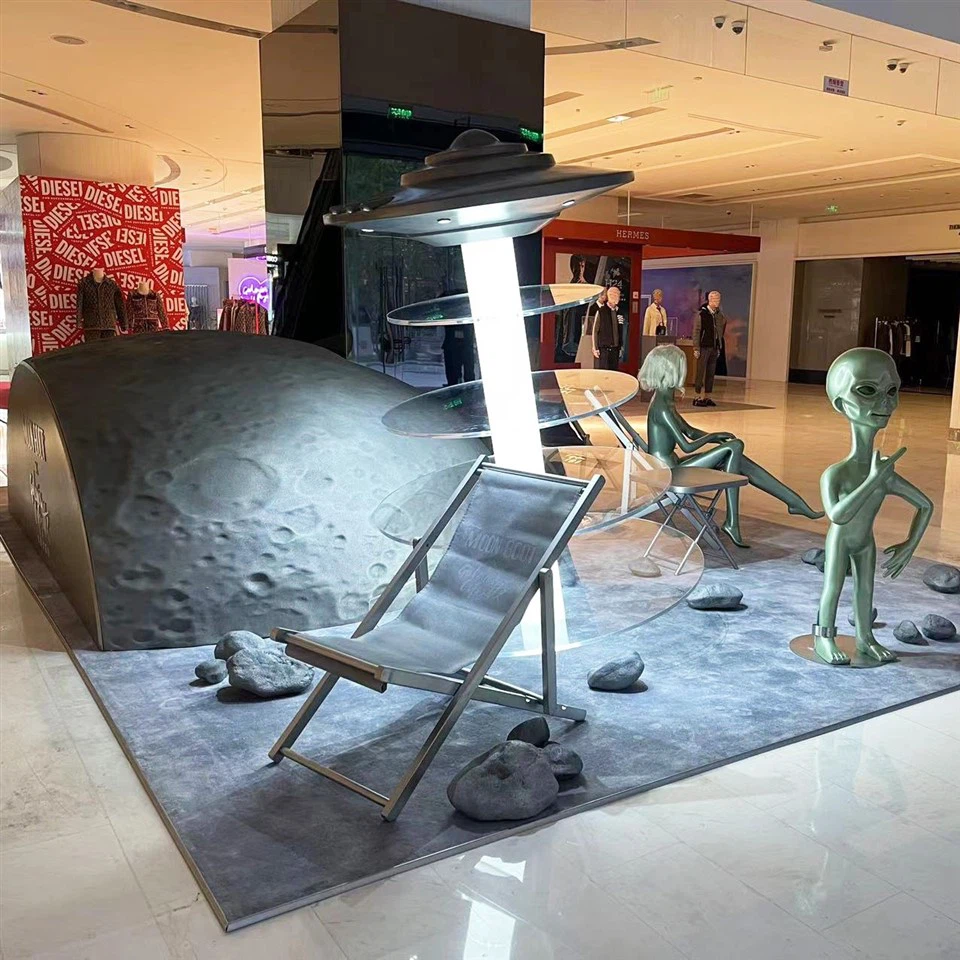
Another important consideration is ensuring that the window display is accessible to individuals with mobility challenges. This includes providing clear pathways and avoiding obstacles that may impede movement. For example, ensuring that the display is not blocking the entrance or exit of the store and providing wheelchair ramps or elevators if necessary. Additionally, providing seating areas near the display can allow individuals with mobility challenges to rest and enjoy the display at their own pace.

Using Audio and Visual Signage
To enhance the accessibility of the window display, it is important to use audio and visual signage. This can include providing audio descriptions of the display, using sign language interpreters, or providing visual cues such as arrows or symbols. By using audio and visual signage, individuals with disabilities can better understand the display and navigate the store.
Collaborating with Disability Advocacy Groups
Finally, collaborating with disability advocacy groups can provide valuable insights and feedback on how to make the window display more accessible. These groups can offer suggestions on design, signage, and other elements that can enhance the accessibility of the display. Additionally, collaborating with disability advocacy groups can help to raise awareness about the importance of accessibility and promote inclusive design.
Examples of Accessible Winter Window Displays
To illustrate the effectiveness of these strategies, let's take a look at some examples of accessible winter window displays.
- Winter Snow Mountain Window Display: This display features a winter snow mountain scene with high-contrast colors and clear signage. The display also includes tactile elements, such as faux snow and ice, that can be touched and felt. Additionally, the display provides audio descriptions of the scene, making it accessible to individuals with visual impairments. Winter Snow Mountain Window Display
- Winter Shop Window Display: This display features a winter shop scene with a variety of products on display. The display uses large fonts and bold colors to make the text more readable, and it provides clear signage to help individuals navigate the display. Additionally, the display includes tactile elements, such as textured fabrics and buttons, that can be touched and felt. Winter Shop Window Display
- Winter Clothing Store Window Display: This display features a winter clothing store scene with mannequins wearing the latest winter fashions. The display uses high-contrast colors and clear signage to make the text more readable, and it provides audio descriptions of the clothing and accessories on display. Additionally, the display includes tactile elements, such as faux fur and leather, that can be touched and felt. Winter Clothing Store Window Display
Conclusion
Making a brand winter window display more accessible for people with disabilities is not only the right thing to do, but it also makes good business sense. By incorporating accessible design principles, creating a tactile experience, ensuring accessible pathways, using audio and visual signage, and collaborating with disability advocacy groups, you can create a window display that is inclusive and engaging for all individuals.
If you are interested in learning more about how to make your brand winter window display more accessible, or if you are interested in working with us to create an accessible window display, please contact us to discuss your specific needs and requirements. We look forward to working with you to create a winter window display that is both beautiful and accessible.
References
- Disability Rights Education & Defense Fund. (n.d.). Accessible Design for Public Accommodations. Retrieved from https://www.dredf.org/resource/accessible-design-for-public-accommodations/
- World Health Organization. (2011). World Report on Disability. Retrieved from https://www.who.int/disabilities/world_report/2011/report/en/
- United States Access Board. (n.d.). Accessible Design Guidelines. Retrieved from https://www.access-board.gov/guidelines-and-standards


